

Total: Rs. 0.00
Taxes and shipping calculated at checkout
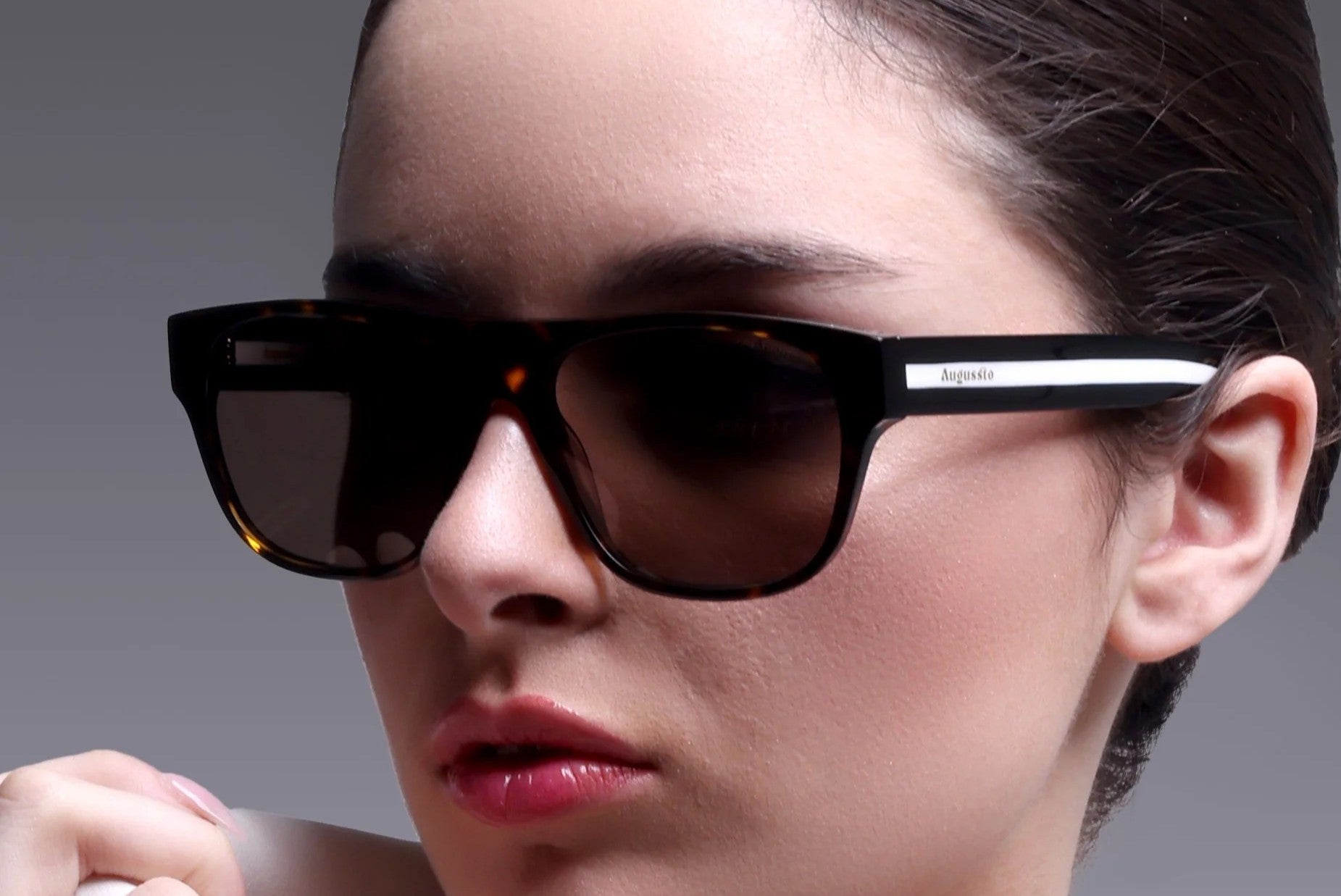
If you’ve ever picked eyewear because it looked good on Instagram, only to realize you can’t see a thing while driving at night - welcome to the club.
Most people buy tinted lenses based on vibes, not vision. But here’s the truth: the wrong tint isn’t just a waste of money - it can be dangerous.
This guide breaks down which lens tints actually work for your lifestyle - whether you’re behind the wheel, at the beach, or just chilling at a café at dusk.
Tinting does not alter the color of your lenses; it is adding a degree of performance to the lens.
Tinting moderates the amount of light coming into your eyes, plays a role in color perception, and affects the amount of glare. Get it wrong, and you might run the risk of causing eye strain, poor depth perception, and unsafe conditions driving.
Cool lenses that blind you in traffic are dumb.
Just think of tinting similar to SPF for your eyes; if you don't have enough., you squint all day; if you have too much you can't see in low light.
Be more concerned about function over appearance.
The primary issues are glare incursion, reflection, and alterations to color.
The Best Choices:
Grey Tint: It has the best color integrity which reduces overall brightness a little without distortion. This option would be best for use in the city or on a highway.
Brown/Bronze Tint: The warmth and contrast provided by brown/bronze tint can help under haze and/or bright sun, which is great in any condition because it enhances detail along the road.
Amber Tint: Amber tint has amazing contrast depth perception that is very helpful when driving in fog or cloudy weather.
Polarized Grey Lenses: Grey lenses will minimize glare interfacing horizontally at the road level and on the hoods of cars, which is by far the best option for driving (or long distance) and/or for someone that is sensitive to bright light.
Avoid:
Never consider blue, red or dark green tints. These colors alter the colors of the lights of vehicles and safety signals (ex: traffic lights), as well as depth perception.
Using dark lenses at night is a really bad idea, as your pupils are already dilated, and dark lenses act like sunglasses to make darkness worse
Best Options:
Yellow tint - Increases contrast and reduces glare from headlights. Excellent for poorly lit highways!
Light Amber - Similar to yellow but gives a warmer feel
Clear with anti-reflective coating - Best choice for night driving cuts glare, lets true color come through, and gives you clear vision
Avoid: Dark lenses, gradient lenses or anything that diminishes overall brightness
When you are outside your eyes will be facing direct UV rays, bright harshness, and glare from reflection. A proper tint can achieve comfort for your eyes and clear sight.
Grey Tint
It gives you a neutral color balance and does not distort what you see. This tint works in almost all conditions without extreme conditions.
Brown Tint
It adds warmth and accentuates contrast, through depth which could fit your needs for terrain, hiking, or changing weather.
Green Tint
It balances brightness and contrast. This tint is often worn for golfing, trekking, and having the sustained sun that is about your everyday life.
Polarized Lenses
An absolute must, for anything involving sand/water especially to reject the harsh horizontal glare reflections, which can be very tiring and contribute to eye stress.
When It’s Hype:
This is not a must, if you typically are in the shade, or you are usually indoors, and if you would not wear lens/polarized lenses could be tricky for reading off a screen.
Ever stepped into a café or dim lounge and felt blinded even though it’s dark outside? That’s because most people wear the same tint from 2 PM to 9 PM.
Best Choices:
Yellow / Amber Lenses: Improve contrast in softer light and help relieve digital eye strain.
Blue-light blocking lenses: Ideal for when you’re done looking at your screen for the day; these lenses will take a bit of strain off your eyes and won't darken your screen negatively.
Clear anti-reflective lenses: For indoors, reading or scrolling on your phone - provide maximum clarity with no reflections.
Tip: You colloquially have a backup pair for when the sun has gone down - tints can do some eye overwork even if they are slightly tinted in the low light.
Dark on top, lighter on the bottom good for daytime (when the sun strikes your eyes but you want to read the dashboard).
Not great for nighttime. These are fundamentally a daytime style with some function.
One solid shade across the lens.
Best for full sun exposure, sports and outdoor activities. You will receive uniform coverage across your horizontal field of vision.
Lenses that automatically adjust, depending on experienced exposure to light.
Great if you're transitioning in and out of the house to outside all day.
Note: they will not darken while you’re in a vehicle, because the UV rays are filtered through your windshield. They are not a complete replacement for driving sunglasses.
|
Type |
Best For |
Not For |
|
Gradient |
Driving (day) |
Night use |
|
Solid |
Outdoor exposure |
Indoor use |
|
Photochromic |
Daily transition |
Inside cars |
=
The percentage of tint determines how much light your lenses block - not how stylish they look.
|
Tint Level |
Light Transmission |
When to Use |
|
10–20% (Light) |
80–90% of light passes through |
Indoor use, cloudy days, fashion wear |
|
40–60% (Medium) |
40–60% of light passes through |
Everyday city use, mild sunlight |
|
70–85% (Dark) |
15–30% of light passes through |
Harsh daylight, beaches, mountain or desert travel |
Rule of Thumb:
If you can’t see your eyes in the mirror while wearing them, they’re too dark for general use.
In terms of function vs. color harmony, function wins out, but color harmony is important; you shouldn't start there - but you want, in service of you looking good in sun, to be aware of tint color.
For fair to light skin: Warm tints, like brown, rose and amber make you look assured and lively.
For medium skin: Different gray, or green tints, or browns are likely to work with your skin color better than other colors - premium.
For deeper skin tones: Deep shades like blue-gray or dark green provide a tastefully refined, sophisticated contrast.
Just choose a color you feel confident in, which should not affect your vision in sunlight!
|
Lifestyle |
Recommended Tint |
Why It Works |
|
Daily Driving (Day) |
Grey / Brown Polarized |
True color, anti-glare, relaxed vision |
|
Night / Evening Driving |
Yellow / Clear Anti-Reflective |
Better contrast, safety in low light |
|
Outdoor Traveler |
Brown / Green / Polarized |
Balanced protection + contrast |
|
Office + Evening Use |
Clear Blue-Light / Light Amber |
Screen comfort, anti-glare |
|
Heavy Sunlight Exposure |
Dark Grey / Polarized |
Maximum UV defense and clarity |
|
Fashion-First User |
Gradient Brown / Grey |
Stylish + partial sun protection |
Don’t choose lenses because they “look premium.”
Choose them because they protect, perform, and last.
The right tint can reduce headaches, prevent strain, and make your eyewear a real performance tool - not just a prop for photos.
If you’re still unsure, Augussto can recommend the right tint based on your lifestyle - not trends.
Because eyewear shouldn’t just look smart - it should be smart
Discover the best lens tints for driving, outdoor wear, and low-light conditions. Learn which tint enhances clarity, comfort, and eye protection.



swzgwsidgx —
Which Lens Tint is Best for Driving, Outdoors & Evening Wear| Augussto
aswzgwsidgx
[url=http://www.gjge7j014wp2712j3590z0b67xmyf8qfs.org/]uswzgwsidgx[/url]
swzgwsidgx http://www.gjge7j014wp2712j3590z0b67xmyf8qfs.org/
🥵💦 Sex Dating. Create =>> yandex.com/poll/43o224okZdReGRb1Q8PXXJ?hs=c856ab4c738c4a717e3765e9e83ee022& Ticket № XURV9045459 🥵💦 —
pj6jt6